What a tender day changes about your plans
The last tender, not all-aboard, is the number that decides the day.

Corfu is an alongside port. Ships tie up at Neo Limani, the gangway goes down, and you walk off. That is the normal day, and it is why a tender day catches people out when it happens.
It happens for two reasons: the berths are full, or the weather in the channel is wrong. Either way, the difference to your plans is bigger than it sounds.
What a tender day actually costs you
Tendering means the ship anchors and ferries you ashore in its own boats. Each boat holds a fraction of the passengers, it takes time to load, cross and unload, and it runs both ways all day.
In practice, on a full ship:
- The first tender is not the advertised arrival time. Clearance, then crew boats, then the first passenger run. Half an hour to an hour goes here.
- Getting ashore is a queue, not a walk. Priority groups go first, then ticketed excursions, then everyone else. On a busy morning the gap between the first and last passenger ashore can be two hours.
- The return has a hard cut. The last tender is earlier than all-aboard, sometimes by a lot, and it is the time that governs your afternoon.
Add those up and a nine-hour call can hold five and a half hours of usable shore time. A five-hour call can hold two and a half.
The mistake people make
The mistake is not being late. It is keeping the alongside plan and hoping.
A shore day built for a nine o'clock gangway does not survive a ten o'clock first tender with an hour lost at the other end. Something has to come out of it, and the worst way to decide what is to decide it in a car with the clock running.
So decide before you go ashore. Cut the third stop, not the middle of the second one.
What to cut first, in order
1. Anything that requires a long drive each way. Palaiokastritsa and Porto Timoni are the first to go: ninety minutes of driving that was comfortable on a nine-hour alongside day is most of a tender afternoon. 2. The second sit-down meal. Keep one, make it good, do not plan two. 3. The museum. Not because they are not worth it, but because they are the stop where a group loses forty minutes without noticing.
What survives cutting is the Old Town on foot, the Achilleion, and Kanoni. Those three are close, short, and none of them punishes a late start.
What we do when it happens
We watch the ship rather than the schedule. If the port authority moves you to anchor, or the master decides overnight, that usually shows before the passengers know, and the office starts reworking the day at that point.
Concretely:
- The pick-up moves to the tender landing rather than the terminal building, which is a different place with different access.
- The plan is re-cut to the shorter shape and sent to you, so the decision is made on paper and not in the car.
- The driver is given the last tender time, not the all-aboard time, and the return is built on that.
- If the whole call is cancelled because the swell makes tendering unsafe, which happens a handful of times each season, you are not charged for a day that did not happen.
That last point is the one worth reading twice. A tender day that becomes a missed port is nobody's fault, and it should not become your loss either.
Whether to book at all on a tender day
An argument we make against ourselves: if your call is short and you are tendering, the honest answer is sometimes to walk into town and do nothing organised at all.
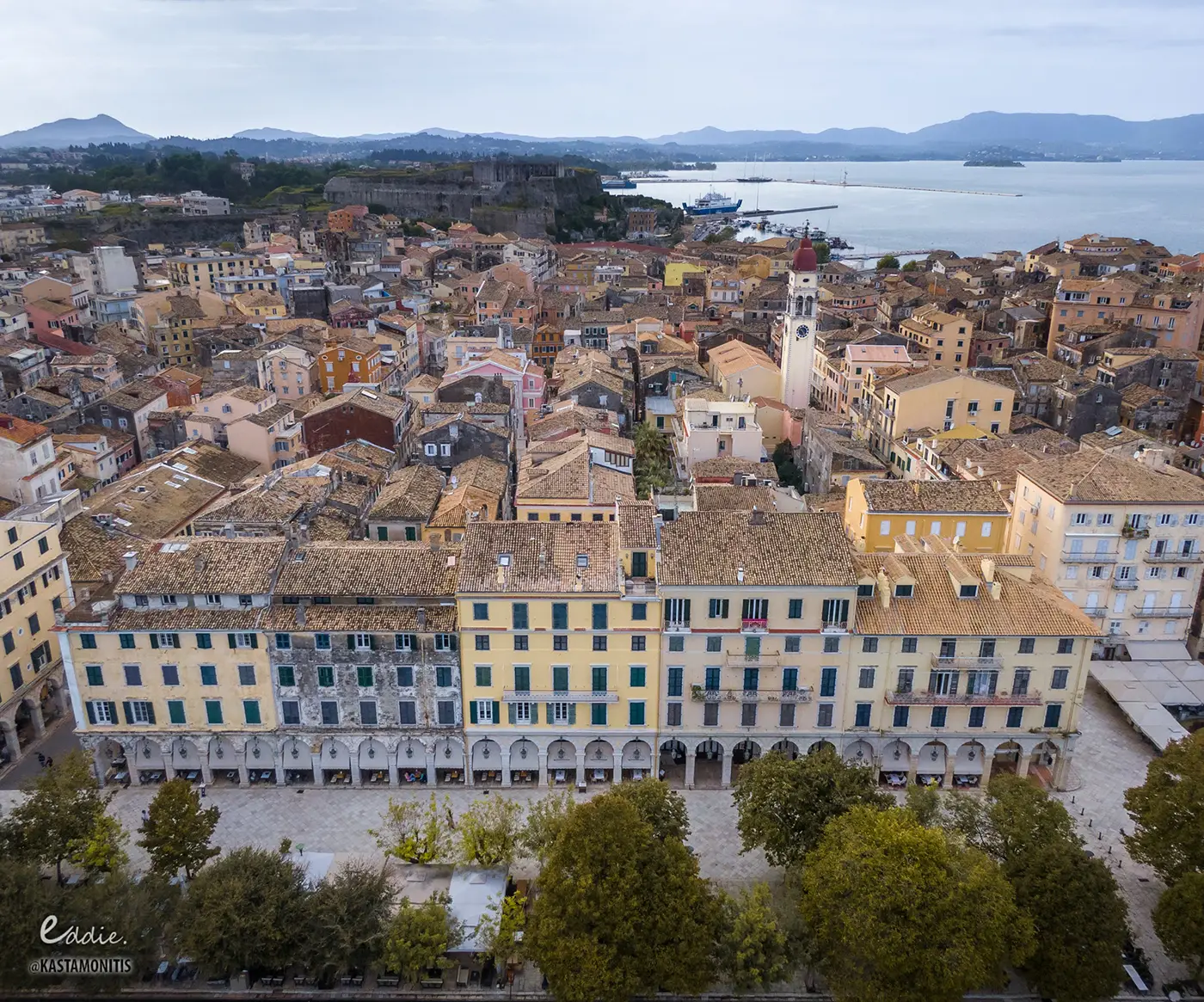
The Old Town is close to the tender landing, it is the best thing in Corfu, and two unhurried hours in it beat three rushed stops anywhere. Nobody needs a driver for that.
Where a booked car does earn its place on a tender day is when the party cannot absorb the uncertainty: small children, a mobility problem, a flight to catch afterwards, or a plan that leaves town and therefore cannot be improvised. Then knowing exactly who is waiting, and where, and until when, is the thing you are buying.
Our shore excursions are quoted with the tender case written into them rather than as a footnote, and the guarantee on that page is honoured as written rather than as interpreted.
If you would rather have the shortest island plan that still leaves the town behind, the four-hour private day is the one that fits a shortened tender afternoon without being cut again. And if you want the arithmetic for an ordinary alongside call, it is in what four hours ashore actually buys you.
Two things to ask at the gangway
What time is the last tender, and where does it land.
Not the sailing time, not the all-aboard time: the last tender. It is the number that decides your day, it is not on your ticket, and the crew at the top of the gangway will tell you if you ask.
Journeys this pairs with
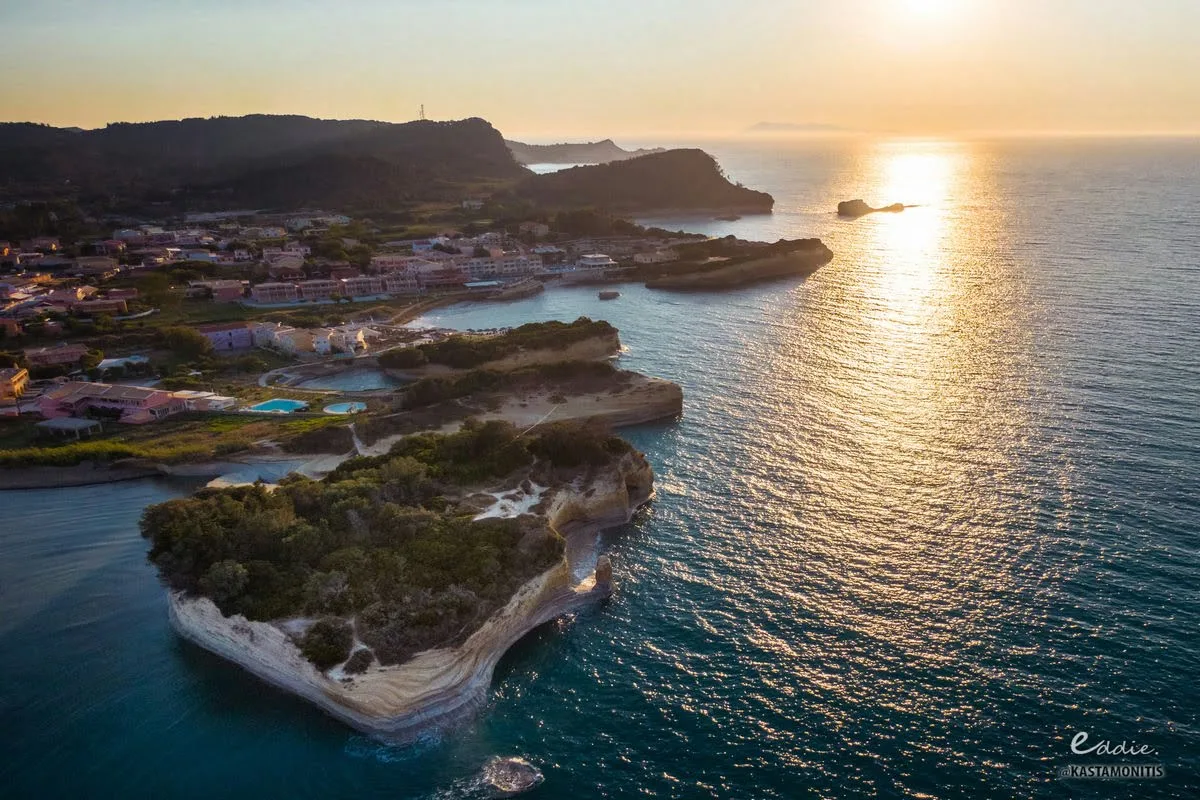 Corfu Town & centre
4 hours
Corfu Town & centre
4 hours
Enchanting Corfu: half day
Ideal for a cruise call: Kanoni, Vlacherna and the Venetian streets.
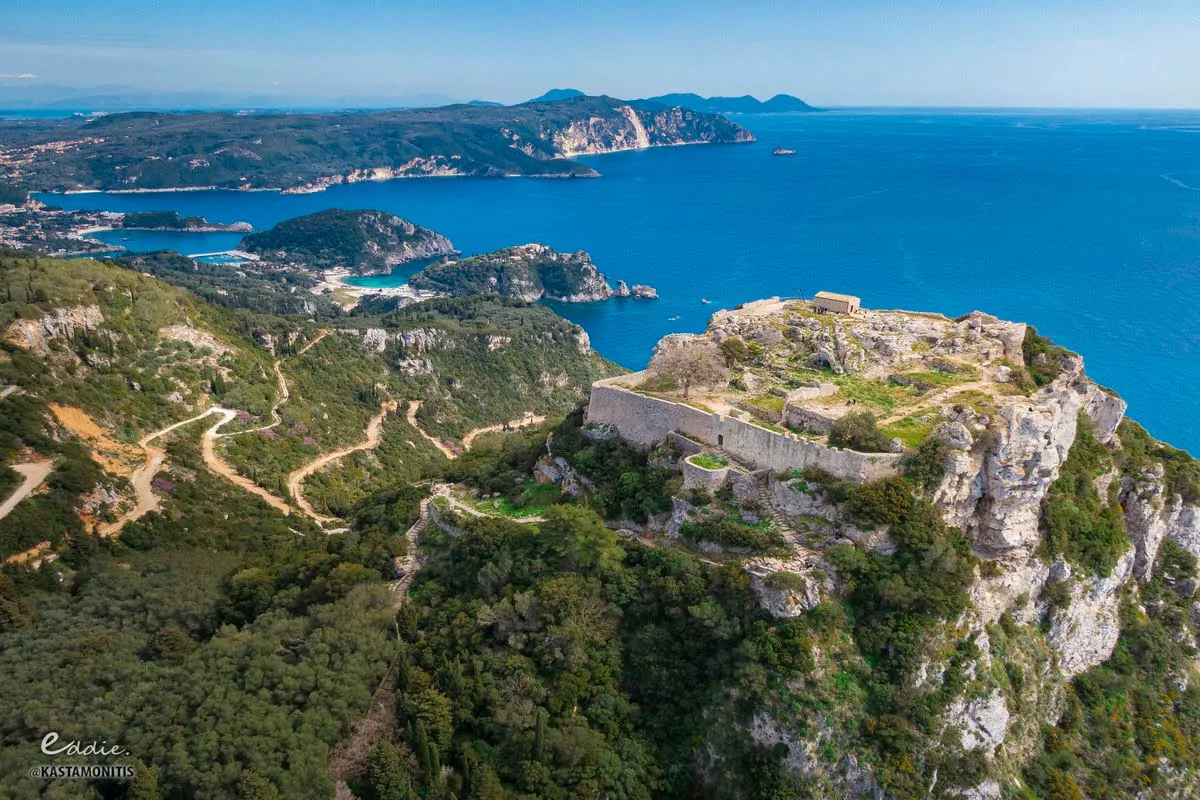 North Corfu
8 hours
North Corfu
8 hours
Enchanting Corfu: a full day, tailored
Old Town, Achilleion, Porto Timoni and a sunset at Loggas. The complete island in one unhurried day.
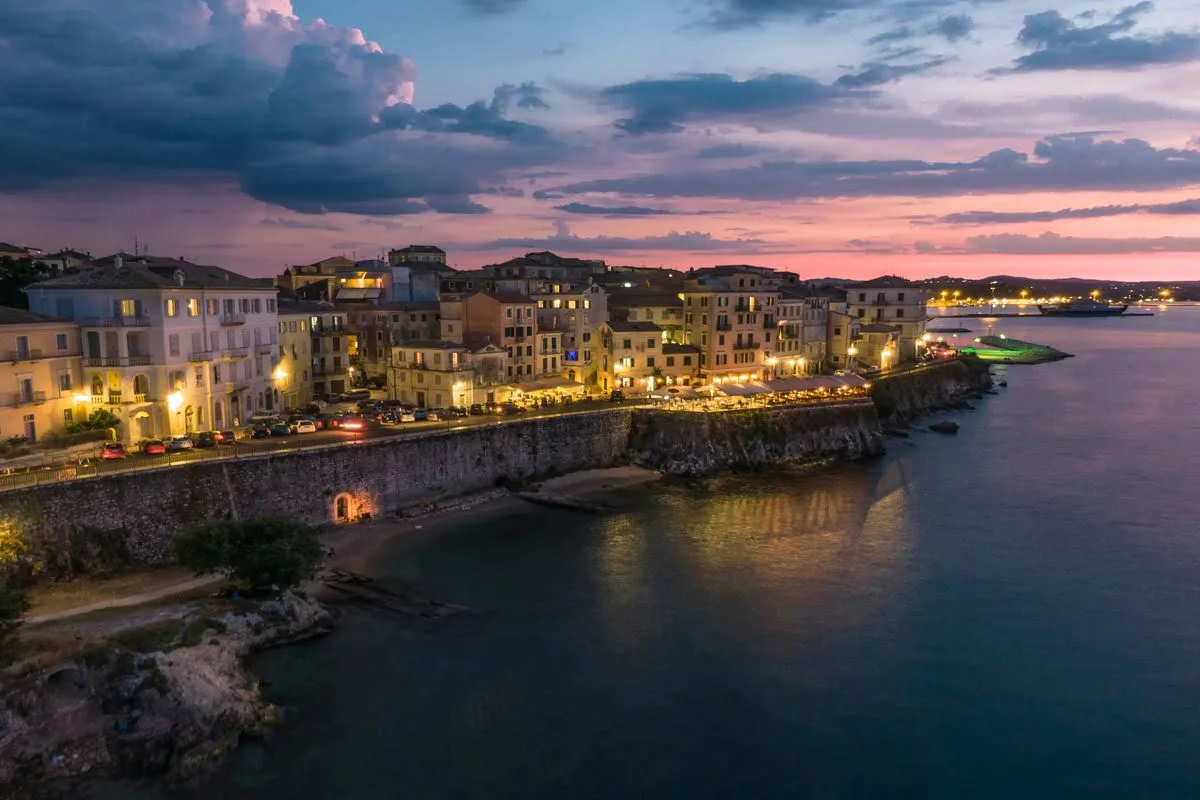 North Corfu
6 hours
North Corfu
6 hours
Enchanting Corfu: six hours
The north coast at its best: Palaiokastritsa, Cape Drastis, Canal d'Amour.
Also worth reading
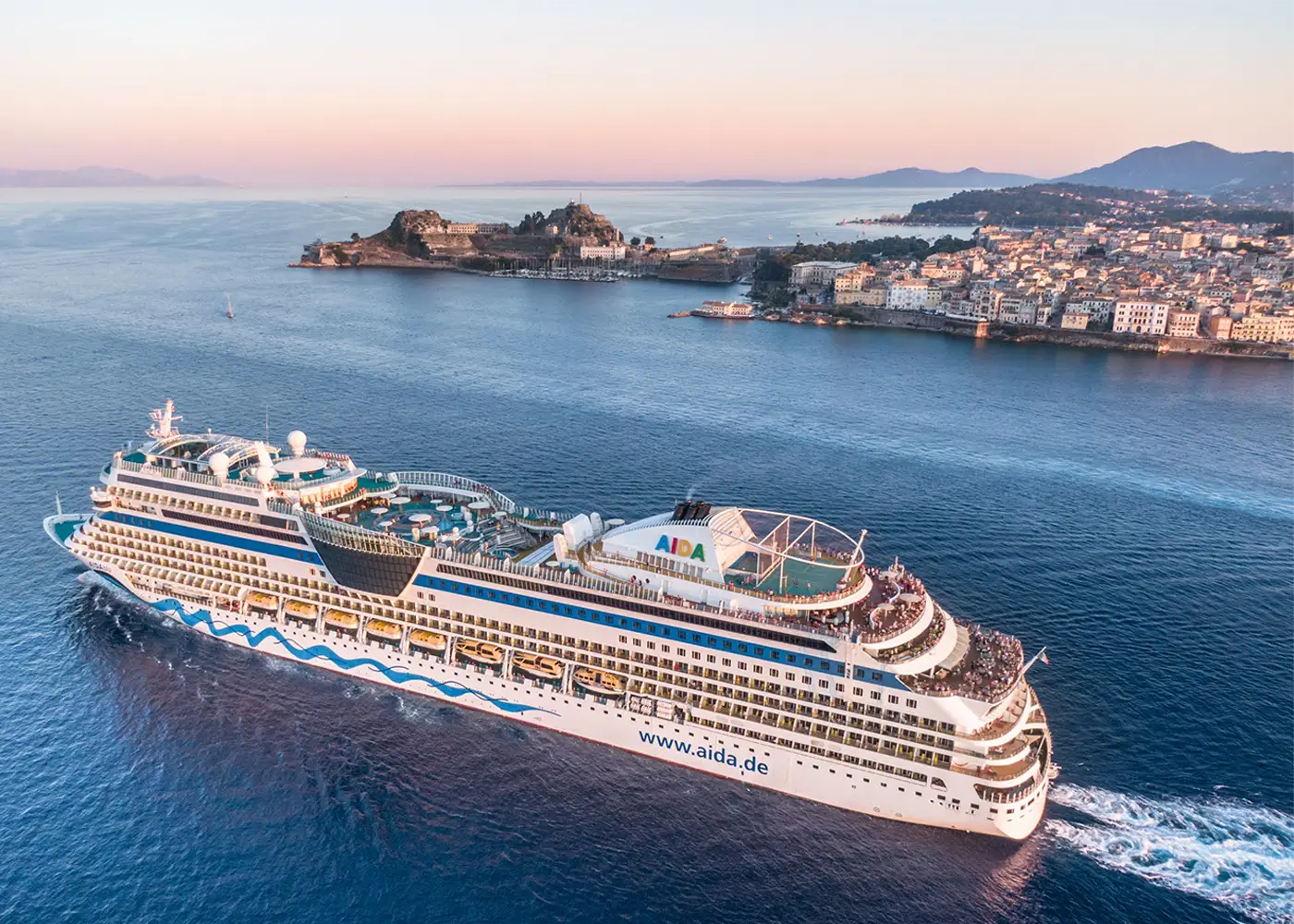
What four hours ashore actually buys you
A realistic plan, with honest driving times.
Corfu port to the Old Town: the walk, the shuttle, the taxi
Two kilometres, three options, and the quay nobody warns you about.
Seeing the Old Town without the crowds
Two hours, three entrances, and the hour the Liston empties.